
Cleaning up after dinner can often feel like a daunting task. However, with some smart strategies and a bit of planning, you can make the process much easier and quicker. Whether you cook every night or just occasionally, these ideas will help you minimize mess and save time, making your kitchen cleanup less stressful.
Prepare in Advance
Plan Your Meals and Tools
One of the best ways to reduce post-dinner cleanup is by planning ahead. Before you start cooking, gather all necessary ingredients, utensils, and cookware. This organization minimizes the chance of making a mess during cooking and helps you stay efficient.
Use Meal Prep Containers
If you prepare meals in advance or batch cook, using meal prep containers keeps things organized and reduces dirty dishes. These containers also allow you to heat and serve food directly, eliminating extra plates and bowls.
Simplify Cooking
Cook One-Pot or One-Pan Meals
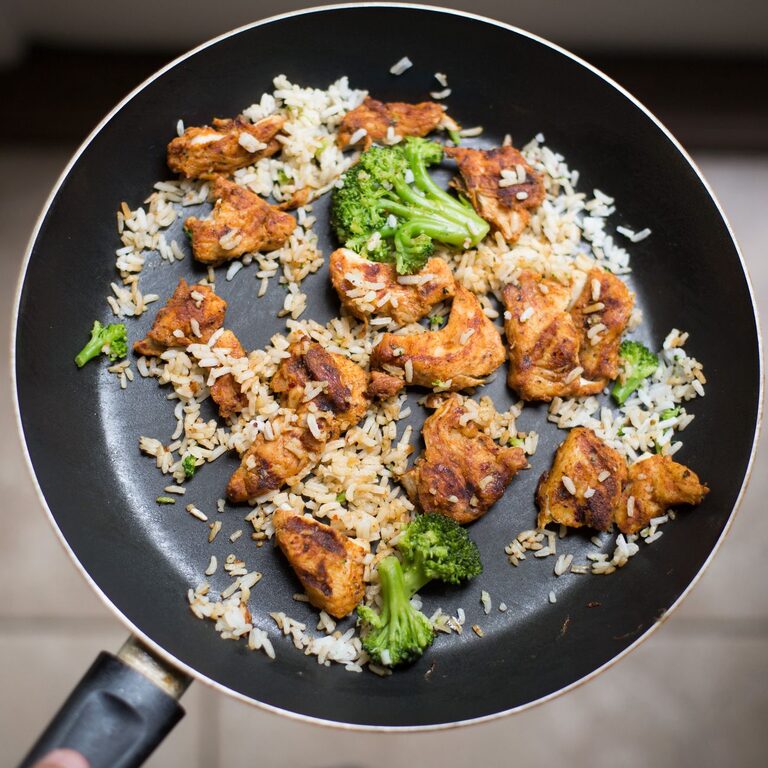
One-pot or one-pan recipes are a fantastic way to reduce the number of dishes you use. Think soups, stews, sheet pan dinners, or stir-fries. These meals not only save time during cooking but also cut cleanup dramatically.
Use Parchment Paper or Foil
When baking or roasting, lining your trays with parchment paper or aluminum foil can prevent food from sticking and reduce scrubbing afterward. Just remove the lining and toss it away once you’re done.
Employ Slow Cookers or Instant Pots
Slow cookers and Instant Pots allow you to prepare entire meals in a single pot. Cooking this way helps contain messes and limit the number of pots and pans you need to wash.
Set Up an Efficient Cleanup Station
Keep Dishwashers Ready
If you have a dishwasher, make sure it’s empty before you start cooking. This way, you can load used dishes immediately after the meal instead of leaving them in the sink.
Organize Your Sink Area
Having a designated space with dish soap, sponges, scrubbers, and clean towels makes washing dishes easier and faster. Consider a hanging caddy to keep cleaning tools within reach.
Use a Garbage Bowl
During cooking and eating, keep a bowl or container nearby to collect scraps, peelings, and other trash. This prevents clutter on your counters and makes throwing away waste quick and tidy.
Clean as You Go
Wash or Soak While Cooking
Instead of waiting until the meal is finished, wash utensils, bowls, and cutting boards as you finish using them. Soaking pots and pans that have stuck-on food right away will also make them easier to clean later.
Wipe Counters Frequently
Spills and crumbs add up fast. Wiping down countertops and stove surfaces during cooking reduces the amount of cleaning you’ll need to do afterward.
Make Use of Efficient Tools and Products
Invest in Quality Nonstick Cookware
Nonstick pans often require less scrubbing, making cleanup much simpler. They also typically use less oil, reducing greasy residue.
Use Dishwasher-Safe Items
Choosing dishes, utensils, and cookware that are dishwasher-safe saves time and energy. Always load these items properly to ensure they come out clean.
Choose Easy-Clean Surfaces
Silicone baking mats, silicone spatulas, and other easy-to-clean kitchen tools streamline post-meal cleanup.
Delegate and Share Tasks
Involve Family or Housemates
If you live with others, consider turning cleanup into a shared responsibility. Assign simple tasks such as clearing the table, rinsing plates, or wiping surfaces. This will speed up the process and make it less tedious.
Set a Cleanup Playlist or Timer
Making cleanup fun or turning it into a game by setting a timer can motivate everyone to finish faster. Play some upbeat music to lift energy during this chore.
Final Touches
Take Out Trash and Recycling Promptly
After meals, dispose of food scraps, garbage, and recyclables immediately to keep your kitchen smelling fresh and prevent clutter buildup.
Do a Quick Sweep and Mop
If necessary, give your kitchen floor a quick sweep or spot mop to pick up crumbs and spills before they become harder to clean later.
—
By using these ideas, you can transform your dinner cleanup from a dreaded task into a smooth, manageable routine. The key is planning, efficient cooking methods, and maintaining a clean workspace throughout. Over time, these habits will save you time and energy, leaving you more moments to enjoy your meals and relax afterward.